India Inflation Report – Q1 2026
Prices Are Stable, But The Story Beneath The Headline Is More Complicated
Estimated reading time: 8–10 minutes
Introduction: Why Inflation Matters More Than Most People Think
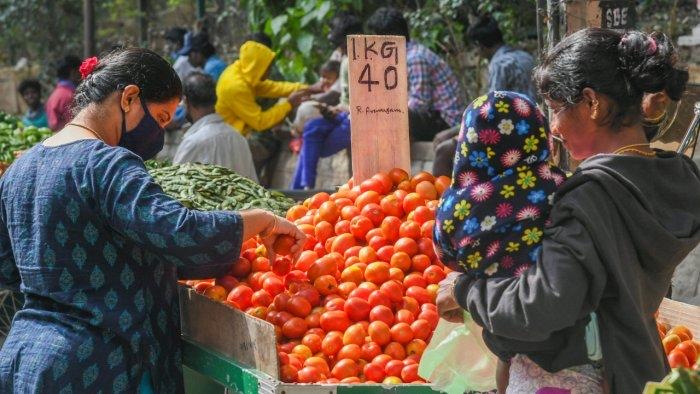
Every month, millions of Indians encounter inflation without ever using the word. The vegetable vendor quotes a higher price for tomatoes than he did a few weeks ago. A family notices that its grocery bill is slowly climbing despite buying the same products. A commuter discovers that transportation costs have increased once again. Inflation is not merely an economic statistic discussed by policymakers and analysts; it is the invisible force that determines how much purchasing power a household retains from its income.
For this reason, inflation remains one of the most closely watched indicators in any economy. A rapidly growing economy may generate jobs and wealth, but if prices rise faster than incomes, many of those gains can be eroded. Conversely, stable prices create an environment in which households can plan their finances, businesses can invest with confidence, and policymakers can focus on long-term growth rather than crisis management.
The first quarter of 2026 presents an interesting picture for India. On the surface, the numbers appear reassuring. Retail inflation remains below the Reserve Bank of India’s medium-term target of 4 percent, suggesting that price pressures are broadly under control. Yet beneath this headline figure lies a more nuanced story involving food prices, fuel costs, consumer demand, and global uncertainty. Understanding that story requires looking beyond a single number.
Inflation at a Glance
The primery driver was Food inflation. Food inflation exceeded headline inflation by nearly one percentage point. Several food categories experienced price increases:
- Vegetables
- Pulses
- Fruits
- Edible oils
- Milk products. Weather-related disruptions and transportation costs contributed to higher food prices.
Consumer Price Inflation (CPI)
| Month | Retail Inflation (CPI) |
| April 2026 | 3.48% |
| May 2026 | 3.93% |
| Indicator | May 2026 |
| Food Inflation | 4.78% |
| Overall CPI | 3.93% |
Source: Ministry of Statistics & Programme Implementation (MOSPI).
Food prices grew substantially faster than the broader basket of goods and services.
Why does this matter? Because food occupies a disproportionately large share of spending for lower-income households. Consider two families. One earns ₹20,000 per month and spends nearly half its income on food. Another earns ₹2 lakh per month and spends less than 10 percent of its income on groceries. When food prices rise by 5 percent, the burden on the first household is significantly greater than on the second.
This is why economists pay close attention to food inflation even when overall inflation appears manageable. During the quarter, vegetables, fruits, edible oils, and certain protein-rich food items experienced upward price pressure. Weather disruptions in some agricultural regions, transportation costs, and seasonal supply fluctuations contributed to these increases. For millions of Indian households, inflation was therefore not experienced as a 3.9 percent statistic. It was experienced through a more expensive grocery baske
Why Food Prices Have Such A Powerful Effect
Food occupies a unique position in India’s inflation landscape. In developed economies, housing often dominates inflation discussions. In India, food remains one of the largest components of household expenditure. Consequently, even moderate increases in food prices can significantly influence consumer sentiment. There is also a psychological dimension. Consumers notice food inflation immediately because groceries are purchased frequently. A family may not notice a gradual rise in the cost of electronics, but it notices when vegetables, milk, cooking oil, and pulses become more expensive. This is why food inflation often shapes public perceptions of the economy more strongly than headline inflation figures.
Core Inflation Tells A Different Story
While food prices were rising, another important inflation measure remained relatively stable. Economists often examine what is known as “core inflation,” which excludes food and fuel prices because those categories are highly volatile. Core inflation provides a clearer picture of underlying demand within the economy. During Q1 2026, core inflation remained broadly stable around the 3.8–3.9 percent range. This stability suggests that India is not experiencing broad-based inflationary pressure across all sectors. Instead, inflation remains concentrated in specific categories rather than spreading aggressively throughout the economy.
This distinction is crucial. If inflation were rising simultaneously across housing, healthcare, transportation, education, consumer goods, and services, policymakers would face a much larger challenge. Stable core inflation indicates that underlying price pressures remain relatively contained.
Fuel Prices: The Wildcard
Food may have driven inflation during the quarter, but fuel remains the factor most capable of changing the outlook quickly. India imports the majority of its crude oil requirements. Consequently, international oil prices have a significant influence on domestic inflation. When crude oil prices rise, transportation becomes more expensive. Higher transportation costs eventually affect nearly every product in the economy. A truck transporting vegetables from a farm to a city market consumes fuel. So does the vehicle delivering products to retailers. As logistics costs rise, businesses frequently pass a portion of those costs to consumers. The result is a chain reaction that extends far beyond petrol stations.
Fortunately, India avoided a major energy shock during the first quarter. However, geopolitical tensions and uncertainty in global energy markets remain important risks for the remainder of the year.
What Comes Next, Who Is Affected, And Why Inflation Is Not Just About Prices.
The RBI’s Balancing Act
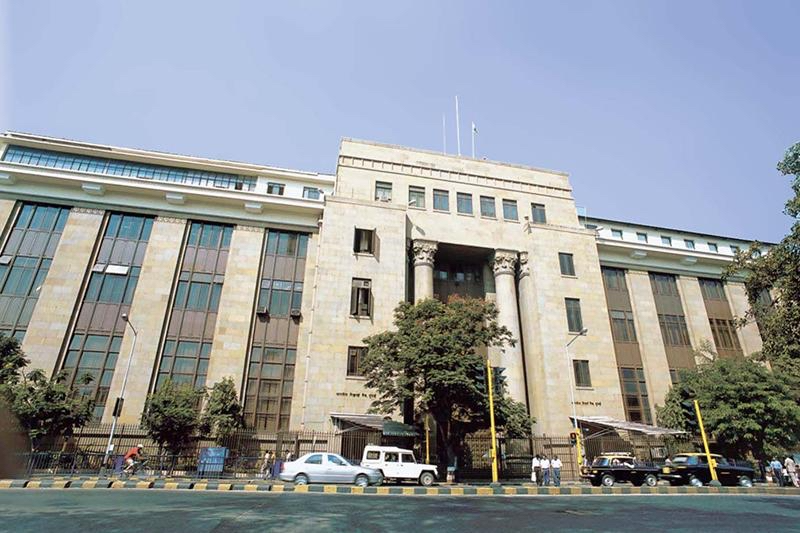
For the Reserve Bank of India, inflation is never viewed in isolation. The central bank has a dual challenge: keeping prices stable while ensuring that economic growth remains healthy. If inflation rises too quickly, the RBI can increase interest rates. Higher borrowing costs discourage spending and investment, reducing demand and helping cool prices. However, excessive rate hikes can also slow economic activity, reduce business investment, and affect job creation. If inflation falls too low, the opposite problem emerges. Weak price growth can signal weak demand, slowing economic momentum and discouraging investment. This is why the RBI targets inflation around 4 percent rather than trying to eliminate inflation altogether.
In many ways, the first quarter of 2026 represents an ideal scenario for policymakers. Inflation remains close to target, economic growth continues, and core inflation shows no signs of becoming entrenched. The central bank therefore enters the second half of 2026 from a position of relative comfort. Unlike several major economies that have spent years battling either excessive inflation or weak growth, India currently appears to be navigating a more balanced path. Yet this balance remains fragile.
Why Inflation Feels Different From The Official Numbers
One of the most common criticisms of inflation data is that people often feel prices are rising much faster than official figures suggest. This perception is not necessarily wrong. The Consumer Price Index represents an average basket of goods and services. Every household has its own spending pattern, which means each household effectively experiences its own inflation rate.
Consider three examples. 1. A retired couple may spend heavily on healthcare and medicines. 2. A young urban professional may spend more on rent, transportation, and dining. 3. A rural household may allocate a large portion of its income toward food and cooking fuel.
Even though all three households live within the same economy, they can experience very different inflation rates. This explains why official inflation can remain below 4 percent while many consumers continue to feel financial pressure. Inflation is not merely a statistic; it is a personal experience shaped by individual spending habits.
Urban India Versus Rural India
The inflation story during Q1 2026 also differs depending on geography. Urban consumers face inflation primarily through housing costs, education expenses, healthcare services, transportation, and lifestyle spending. Rural consumers are generally more exposed to food prices, agricultural inputs, fuel costs, and local transportation expenses. Because food inflation exceeded headline inflation during the quarter, rural households often felt greater pressure than aggregate national data might suggest. A rise in vegetable prices may represent a relatively minor inconvenience for affluent urban households. For lower-income families, however, food inflation can require adjustments to household budgets, consumption patterns, and savings behavior.
This distinction is important because inflation is not merely an economic issue; it is also a social issue. Price increases affect different segments of society in different ways.
How Businesses Interpret Inflation
Consumers are not the only people paying attention to inflation. Businesses closely monitor inflation because it affects everything from production costs to consumer demand. When inflation remains moderate and predictable, companies can plan investments with greater confidence. Manufacturers can estimate future costs more accurately. Retailers can manage inventory more effectively. Investors can assess opportunities with less uncertainty. Excessive inflation creates a very different environment.
Rapidly changing prices make planning difficult. Businesses become cautious about expansion. Consumers delay purchases. Financial markets become more volatile. The relatively stable inflation environment observed during Q1 2026 therefore represents a positive development for India’s broader business ecosystem. Companies may not welcome rising input costs, but they generally prefer stable inflation to unpredictable inflation. Predictability is often more valuable than low prices alone.
India’s Inflation Compared With The Rest Of The World
One reason India’s inflation performance deserves attention is that it comes after a period of extraordinary global disruption. Over the past several years, economies around the world have faced multiple inflationary shocks:
- Pandemic-related supply chain disruptions.
- Commodity price spikes.
- Energy market volatility.
- Geopolitical conflicts.
- Rising transportation costs.
- Currency fluctuations.
Many developed economies witnessed inflation rates reaching levels not seen for decades. Against this backdrop, India’s inflation performance appears comparatively resilient. The country certainly experienced inflation pressures, but it avoided the severe and prolonged price surges seen elsewhere. Several factors contributed:
- Strong agricultural production.
- Active monetary policy.
- Government interventions in food supply chains.
- A diversified economic structure.
This does not mean India is immune to inflation shocks. Rather, it suggests that the economy has developed greater resilience than many observers expected.
The Risks Ahead
Although current inflation remains manageable, the outlook for the remainder of 2026 contains several uncertainties.
Monsoon Performance
Perhaps no single factor influences Indian inflation more than the monsoon. Agriculture continues to employ millions of Indians and remains heavily dependent on rainfall patterns. A strong monsoon typically supports crop production, improves food supply, and helps moderate food inflation. A weak monsoon can have the opposite effect. Poor rainfall can reduce agricultural output, increase food prices, and place upward pressure on overall inflation. For this reason, economists closely monitor weather forecasts throughout the year.
Global Energy Markets
Oil remains another major variable. India’s dependence on imported energy means that international crude oil prices can significantly influence domestic inflation. A sharp rise in global oil prices would likely increase:
- Transportation costs.
- Manufacturing expenses.
- Logistics costs.
- Consumer fuel prices.
Because energy affects nearly every sector of the economy, oil price shocks often have broader consequences than food price increases alone.
Geopolitical Tensions
International conflicts and trade disruptions can also affect inflation. Modern supply chains are highly interconnected. Events occurring thousands of kilometers away can influence prices paid by Indian consumers. Whether through shipping costs, commodity prices, energy markets, or trade restrictions, geopolitical developments remain an important inflation risk.
Strong Domestic Demand
Interestingly, strong economic growth can itself become a source of inflation. When consumers spend more aggressively and businesses expand rapidly, demand can begin to outpace supply. This is often viewed as a positive problem because it reflects economic strength rather than weakness. Nevertheless, excessive demand can still create inflationary pressure. For policymakers, the challenge is ensuring that growth remains sustainable rather than overheating.
What Inflation Means For Investors
Inflation affects not only consumers but also savers and investors. When inflation rises faster than investment returns, purchasing power declines. For example, if a savings account earns 4 percent annually while inflation reaches 6 percent, the real value of those savings effectively falls.
Moderate inflation therefore encourages investors to seek assets capable of generating returns above inflation. This is one reason why inflation remains a central consideration in financial planning. The relatively stable inflation environment of Q1 2026 provides a more predictable backdrop for investment decisions than the highly volatile conditions seen in some previous years.
The Bigger Picture
The most important takeaway from the first quarter of 2026 is that India’s inflation challenge has not disappeared, but it has become more manageable. Headline inflation remains close to the RBI’s target. Core inflation appears stable. Economic growth continues. Businesses operate in a relatively predictable environment. At the same time, food inflation reminds us that aggregate statistics can conceal important realities experienced by households. The difference between a comfortable inflation report and a difficult inflation experience often lies in the composition of prices rather than the headline number itself. This is why policymakers, economists, and citizens should continue looking beyond the top-line figure.
Conclusion
The first quarter of 2026 offers cautious optimism for India’s economy. Inflation remains under control by historical standards and compares favorably with many global peers. The RBI’s policy framework appears to be working, consumer demand remains healthy, and underlying price pressures show little evidence of becoming entrenched. Yet the story is not one of complete victory. Food inflation remains elevated. Energy markets remain uncertain. Monsoon outcomes remain critical. Global events continue to shape domestic prices in ways that cannot always be predicted.
For now, India finds itself in a relatively strong position: an economy growing steadily without the severe inflationary pressures that have troubled many nations in recent years. Whether that balance can be maintained through the remainder of 2026 will depend on forces ranging from weather patterns in rural India to energy markets halfway across the world. That is the nature of inflation. It is never just a number. It is the intersection of economics, policy, agriculture, energy, consumer behavior, and global events—all expressed through the prices people pay every day.